Are you looking to know How to Move Heavy Furniture by Yourself: Simple Guide then read this article to find out How to Move Heavy Furniture by Yourself: Simple Guide
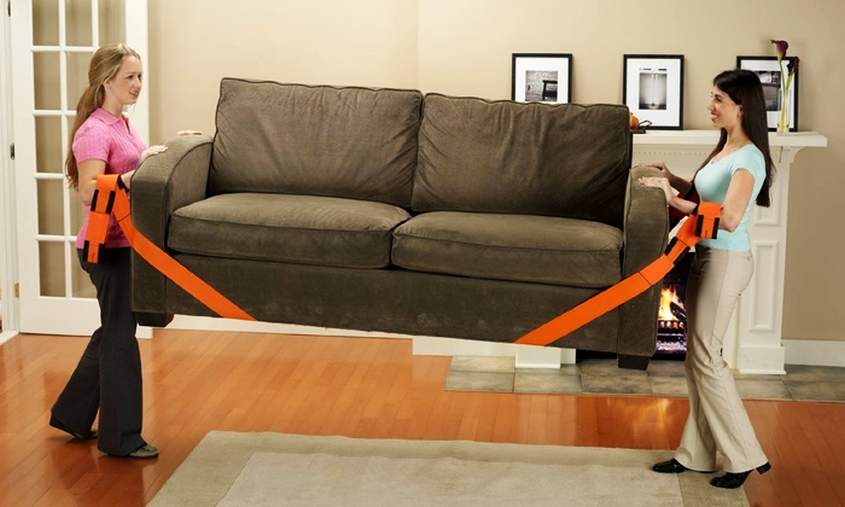
Moving heavy furniture on your own can feel overwhelming, but with the right tools and techniques, you can do it safely. Heavy furniture usually means anything around 250 pounds or more—items like large sofas, dressers, fridges, pianos, or solid wood pieces. Here is a simple guide to help you move heavy items without hurting yourself or damaging your home.
Gather the Right Tools
Before you start, collect helpful moving tools. A dolly allows you to roll heavy items instead of lifting them. Furniture sliders help heavy pieces glide across floors. Lifting straps reduce pressure on your back. Gloves protect your hands, and blankets or pads protect furniture and walls. Even professional moving companies london ontario rely on these tools because having the right equipment makes the entire job easier and safer.
Plan Your Path
Before moving anything, plan your route. Measure doorways, hallways, and stairways to make sure the item can fit. Remove any obstacles from the path. Planning prevents accidents and avoids getting stuck halfway.
Wear Safe Clothing
Wear fitted clothes that won’t get caught on corners and shoes with good traction. Proper clothing helps you stay balanced and reduces the risk of slipping.
Empty and Disassemble What You Can
Remove items from drawers or shelves so the furniture becomes lighter. If you can, take apart large items such as bed frames or tables. Keep the screws in a labeled bag so you can reassemble everything later.
Lift Safely
Use your legs, not your back, to lift. Keep your back straight, bend your knees, and hold the item close to your body. Avoid twisting while holding something heavy; turn your entire body instead.
Slide or Tilt Furniture
Many large items can be moved by sliding them using furniture sliders. On carpets, use plastic sliders; on hard floors, use felt sliders to prevent scratches. For sofas and chairs, turning them sideways or angling them often helps them fit through tight spaces.
Moving Items Upstairs or Downstairs
Carrying heavy items on stairs can be risky. Move slowly and keep the heavier side higher when going up. When going down, clear the stairs, use straps or a dolly if possible, and move one step at a time. If it feels unsafe, stop and get help.
Protect Your Home
Wrap furniture edges with blankets to avoid scratching walls, floors, or door frames. You can also remove doors temporarily if you need more room.
Use Helpful Tools
Carrying straps reduce strain and give you more control. A dolly helps you roll heavy items without lifting. Suction handles make moving mirrors and glass safer. Zip-tie plastic bin lids so they don’t open during the move.
Cutting a Box Spring
Some box springs are designed to fold. If yours can, cutting the center fabric lets you bend it for tight hallways or stairs. Once moved, secure it with screws or brackets.
Know When to Call Professionals
If something is too heavy, too valuable, or too risky, hiring movers is the safest option.